

March 7, 2025
Hopp
eCommerce, SEO, Websites
Building Scalable Web Dashboards: Bridging Code and Customer Success In today’s fast-paced digital world, businesses thrive on data—but only if they can access it quickly and act on it effectively. A web dashboard transforms raw data into actionable insights. For developers, the challenge is creating dashboards that are visually appealing, scalable, responsive, and capable of...
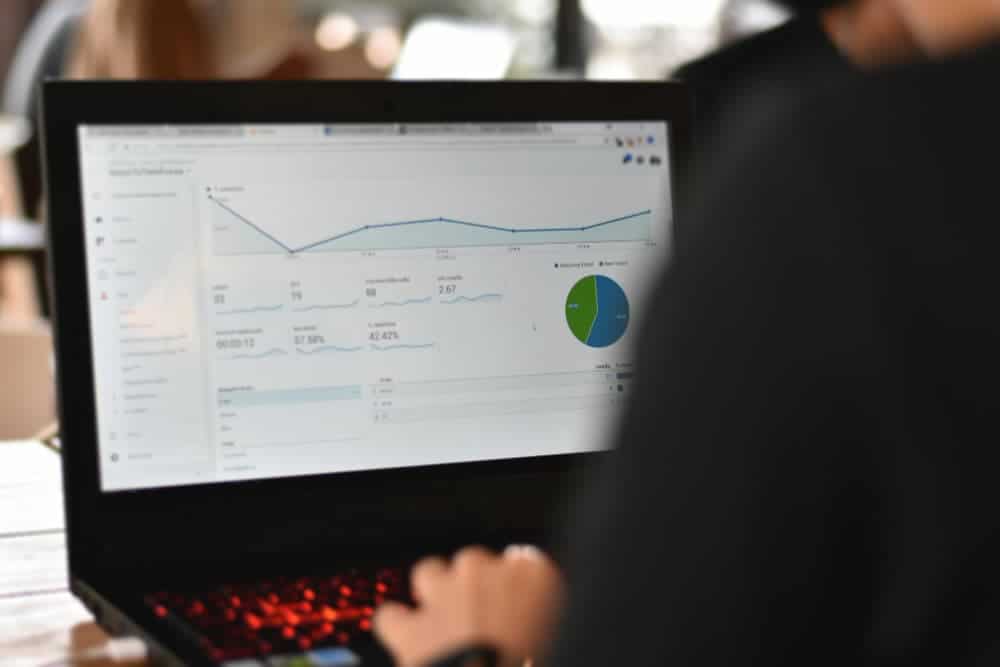
In today’s fast-paced digital world, businesses thrive on data—but only if they can access it quickly and act on it effectively. A web dashboard transforms raw data into actionable insights. For developers, the challenge is creating dashboards that are visually appealing, scalable, responsive, and capable of real-time updates.
At Hopp Solutions, we believe a well-crafted dashboard doesn’t just serve developers—it empowers customers to make smarter, faster decisions. Here’s how to build dashboards that bridge the gap between code and customer success.
Imagine a small business owner tracking inventory, a logistics manager monitoring fleet status, or a SaaS provider analyzing user engagement—all in real time. Customers need data instantly and reliably.
A dashboard that lags under heavy traffic or fails to update dynamically isn’t just a technical issue—it’s a lost opportunity. Scalable dashboards adapt to growing data loads while ensuring smooth, real-time updates. For developers, this means designing with performance and flexibility in mind. For customers, it means confidence in their tools and a competitive edge.
The foundation of a scalable dashboard is the front-end framework. React and Vue.js are top choices because of their component-based architectures, allowing efficient UI management. React’s virtual DOM minimizes re-rendering, which is crucial for frequent updates.
Pairing these with a state management library like Redux or Pinia ensures smooth data flow. A responsive interface lets customers analyze metrics—like sales spikes or user drop-offs—without frustration.
Pro Tip: Use TypeScript for type safety. It helps catch errors early, saving debugging time and making the dashboard more robust.
Static dashboards are outdated. Customers expect live updates—whether it’s stock levels, traffic stats, or order tracking.
Customer Win: Real-time insights reduce reaction time, allowing businesses to act quickly and boost revenue.
A dashboard that works for 100 users can fail under 10,000 if not built for scale. Efficient data handling is key.
Pro Tip: Stress-test with tools like LoadRunner or JMeter to simulate peak usage. Customers won’t see the prep work, but they’ll feel the reliability.
Scalability isn’t just about tech—it’s about user experience. A cluttered dashboard overwhelms; a clean one empowers.
For customers, this means less time deciphering data and more time making informed decisions.
When developers focus on scalability and real-time functionality, customers reap the benefits. A scalable dashboard grows with their business, handling more users, data, and complexity effortlessly. Real-time updates transform passive monitoring into proactive decision-making.
At Hopp Solutions, we see dashboards as more than just code—they’re tools for growth. Smart development combined with customer-centric design builds trust and delivers real value.
Building a scalable web dashboard isn’t a one-size-fits-all task. Start small—prototype with a single data stream, test responsiveness, and iterate based on customer feedback. As their needs grow, so can your solution.
Have a dashboard project in mind? Let’s hop to it—contact us at Hopp Solutions to turn your data into a powerhouse of insights.
Designing and developing digital experiences that move businesses forward.
Contact
hello@hoppsolutions.com
+49 155 1027 5723
+389 77 540 743
Office
ul. Nikola Karev br. TC. TR
6000 Ohrid, North Macedonia
Made with love by Hopp Solutions | 2026