
July 8, 2026
Radmila
Infrastructure Modernization & Endpoint Security
Listen
Thousands of Kilometers Away. Seconds Away from Response
Remote work has changed how organizations operate, but it has also changed how cybersecurity teams respond to incidents. Today, a compromised device may be thousands of kilometers away, connected over an unstable network, with no IT staff available to physically intervene.
That was exactly the situation we recently faced.
A Windows endpoint located in South Sudan became the focus of a security investigation after Microsoft Defender detected suspicious activity and generated multiple alerts. The device's risk level increased, requiring immediate action to prevent further exposure while ensuring the user could continue working once it was safe to do so.
For us, the challenge wasn't just the incident itself.
It was the distance.
Fortunately, in cybersecurity, the distance between an attacker and a defender isn't measured in kilometers. It's measured in visibility, control, and the ability to respond.
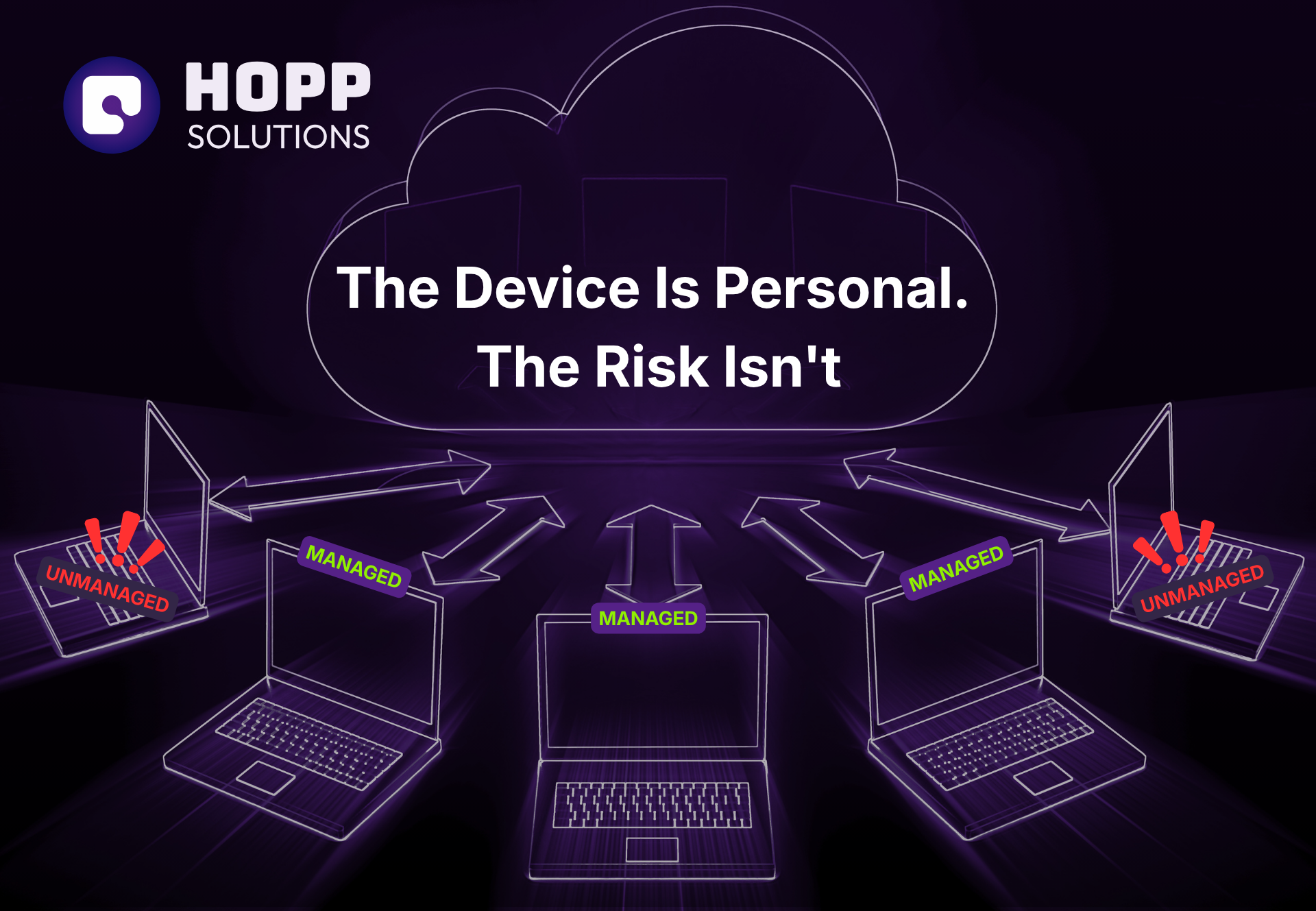
Many organizations think of Microsoft Intune and Microsoft Defender as separate tools.
In reality, they work best together.
Defender identifies threats, suspicious behavior, and device risk. Intune ensures devices remain compliant with security policies and gives administrators the ability to manage and remediate endpoints at scale.
When an endpoint becomes compromised, compliance is no longer just a checkbox.
It becomes part of the organization's overall security response.
Once the incident was identified, our first priority was limiting the attack surface.
Using Microsoft Defender for Endpoint, we investigated the alerts, reviewed the evidence collected by Defender, analyzed the incident timeline, and verified which activities had been blocked automatically by Microsoft's protection mechanisms.
The device was isolated to prevent potential lateral movement across the environment while still allowing communication with Microsoft security services. This ensured that security actions, updates, and investigations could continue without exposing the rest of the network.
Containment is often the difference between a single compromised endpoint and a much larger security incident.
After the threat had been contained and remediation activities completed, another issue became apparent.
Although the endpoint was actively communicating with Microsoft Defender, it had stopped reporting correctly to Microsoft Intune.
From an administrator's perspective, the device appeared stale. Compliance information was outdated, policies were no longer reporting accurately, and recent security actions were not reflected in the management platform.
This created an operational challenge.
Even when a device has been remediated successfully, organizations still need accurate reporting to confirm its health and compliance status.
Without that visibility, security teams are forced to make decisions using incomplete information.
With no possibility of physically accessing the device, every action had to be performed remotely.
Using Microsoft Defender's Live Response capabilities, we established a secure remote session directly to the endpoint. From there, we verified the health of essential services, reviewed endpoint telemetry, and deployed remediation scripts to restore communication with Microsoft Intune.
These scripts helped validate the Intune Management Extension, trigger device synchronization, and confirm that management components were functioning correctly.
Once communication was restored, the endpoint resumed reporting compliance information, received pending policies, and synchronized its security status with the management platform.
The device was no longer just secure.
It was visible again.
Compliance is often associated with regulatory requirements or internal governance.
In reality, it plays a much larger role.
A compliant device provides confidence that essential security controls are functioning as intended:
When devices stop reporting, organizations lose more than compliance metrics.
They lose visibility.
And without visibility, even well-managed environments become significantly harder to defend.
One of the most rewarding aspects of modern endpoint management is knowing that geography no longer defines what is possible.
Whether a device is in the office, at home, or operating on another continent, organizations can investigate incidents, contain threats, restore compliance, and maintain security without ever touching the device.
That is the strength of combining Microsoft Defender and Microsoft Intune.
Together, they provide the visibility to detect threats, the tools to respond quickly, and the management capabilities to restore devices to a trusted state, even when the endpoint is thousands of kilometers away.
Because in today's world, effective cybersecurity isn't about being close to the device.
It's about staying one step ahead of the threat, no matter where that device happens to be.
Designing and developing digital experiences that move businesses forward.
Contact
hello@hoppsolutions.com
+49 155 1027 5723
+389 77 540 743
Office
Bul. Turisticka 21
6000 Ohrid, North Macedonia
Made with love by Hopp Solutions | 2026